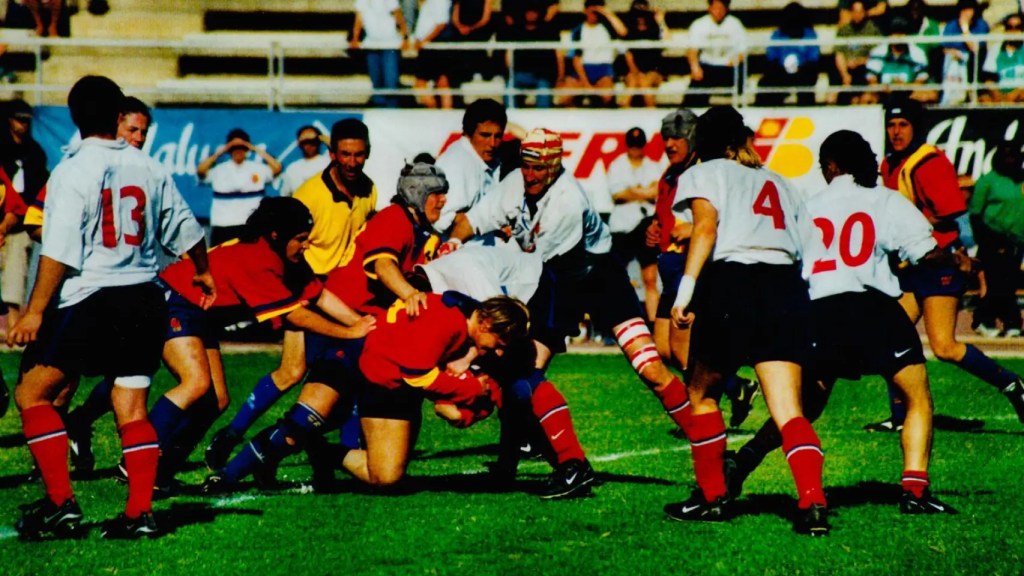
Spain took part in the Women’s Six Nations between 2000 and 2006 before being removed by administrators of the men’s game, a decision still viewed with ire by many within the women’s rugby community.
The 2006 Women’s Six Nations started off strong, with England taking on Wales in St Albans, Scotland facing France in Edinburgh, and Ireland taking on Spain in Dublin. Whilst Spain’s inclusion in the 2006 Six Nations may come as a surprise to those newer to the women’s game, their exclusion from the competition at the conclusion of the 2006 season has long been a contentious issue within women’s rugby circles.
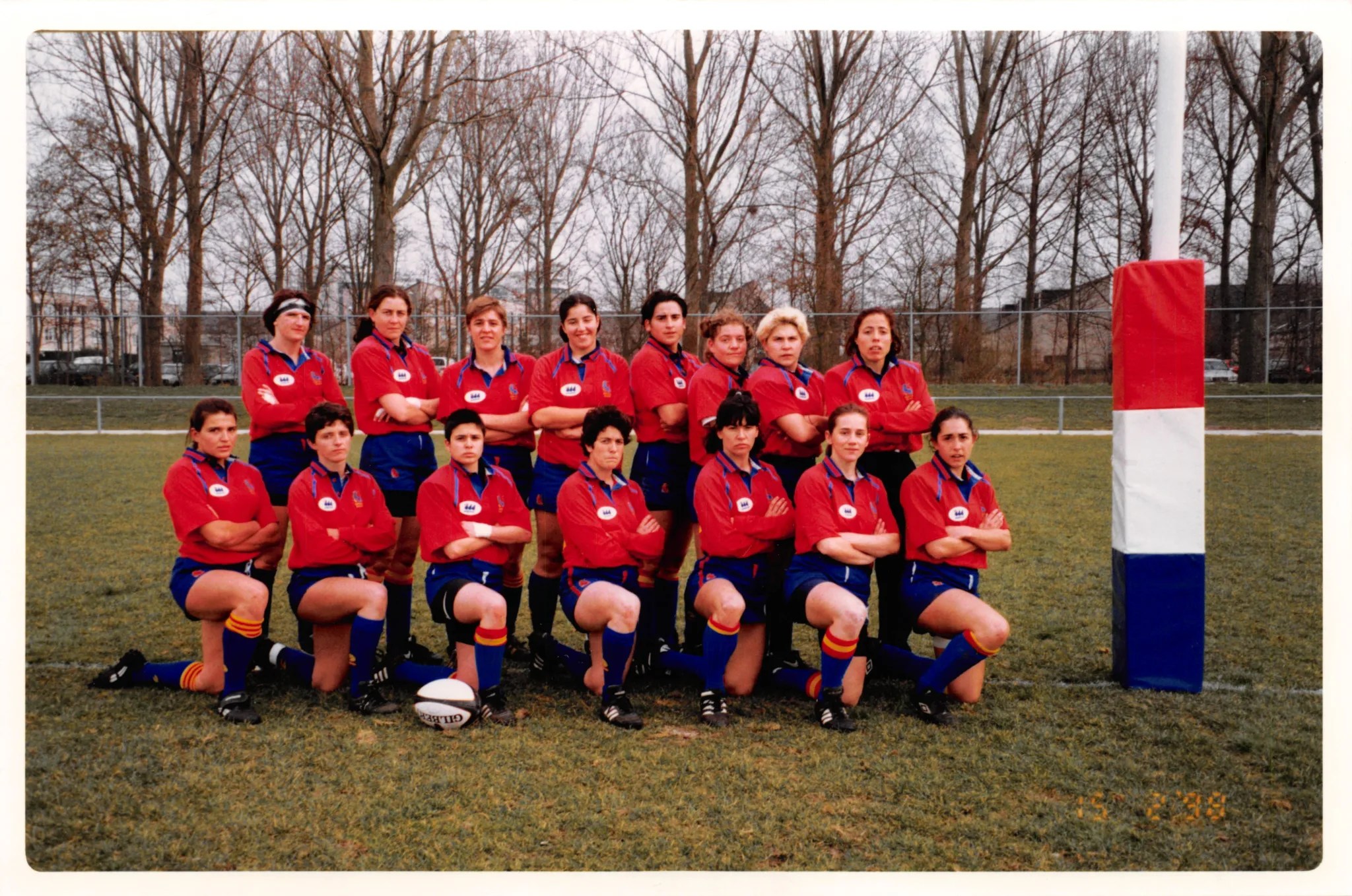
Following on from two successful World Cups, held in Wales and Scotland respectively, the Women’s Unions in England, Ireland, Scotland, and Wales aimed to organise more frequent test matches between the four Home Unions. The “Nations”1 competition had an easily identifiable brand within the UK and Ireland, giving the women’s teams a potential boost in publicity as a result. The Women’s Home Nations kicked off in 1996, with no input from the Men’s Nations organisers. England dominated the competition, but Scotland managed to take home the crown in 1998. France officially joined in 1999 to create the Five Nations, having taken part in the competition unofficially in 19982. The year 2000 saw significant changes in both the men’s and women’s competitions. Whilst it was confirmed for Italy to join the men’s tournament to create the Six Nations, on the women’s side, the Irish Women’s Rugby Football Union3 withdrew after winning three wooden spoons back to back to back. As the Women’s Five Nations was independent from the men’s competition, organisers were able to bring in one of the best teams in Europe: Spain4.
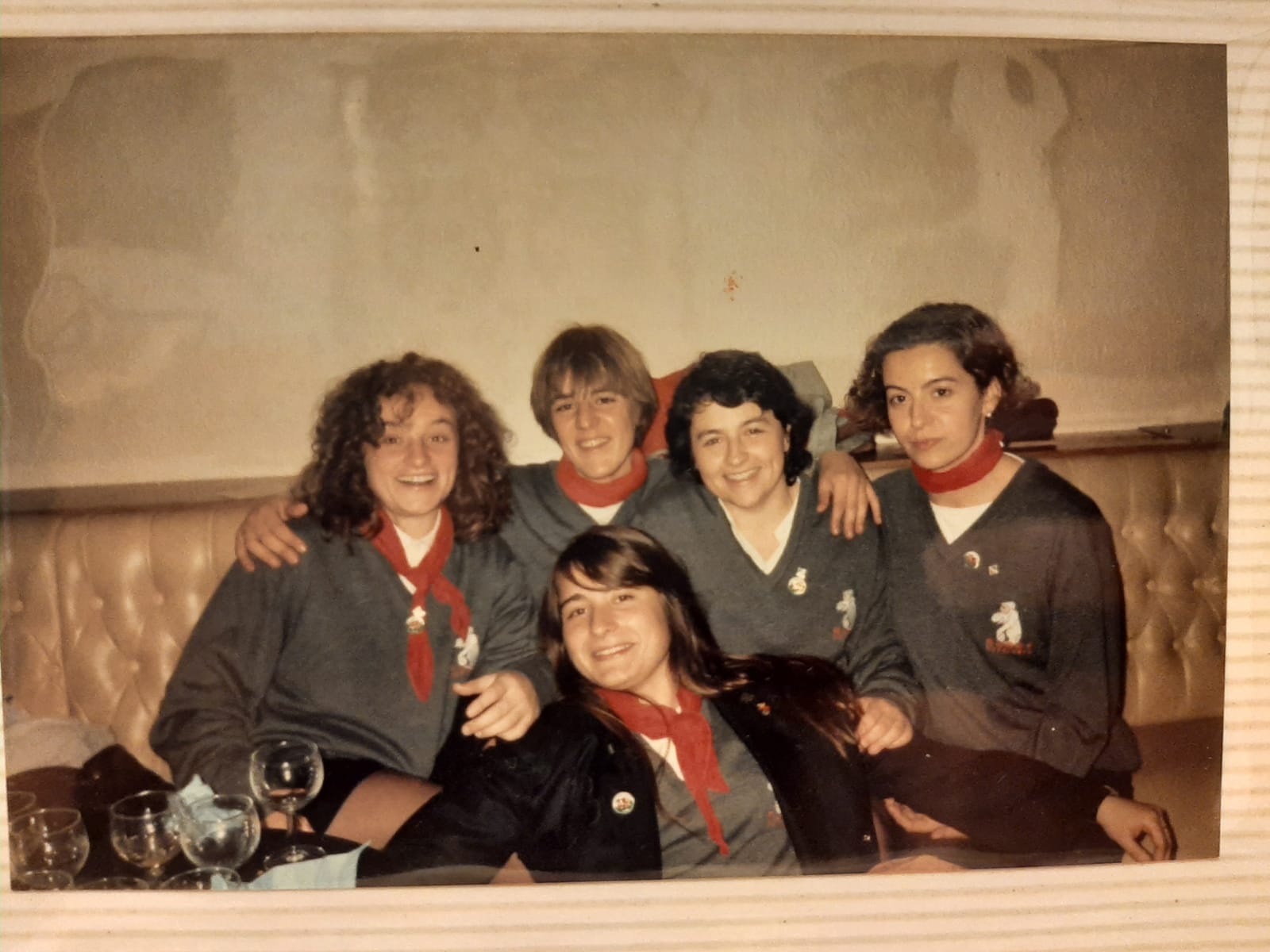
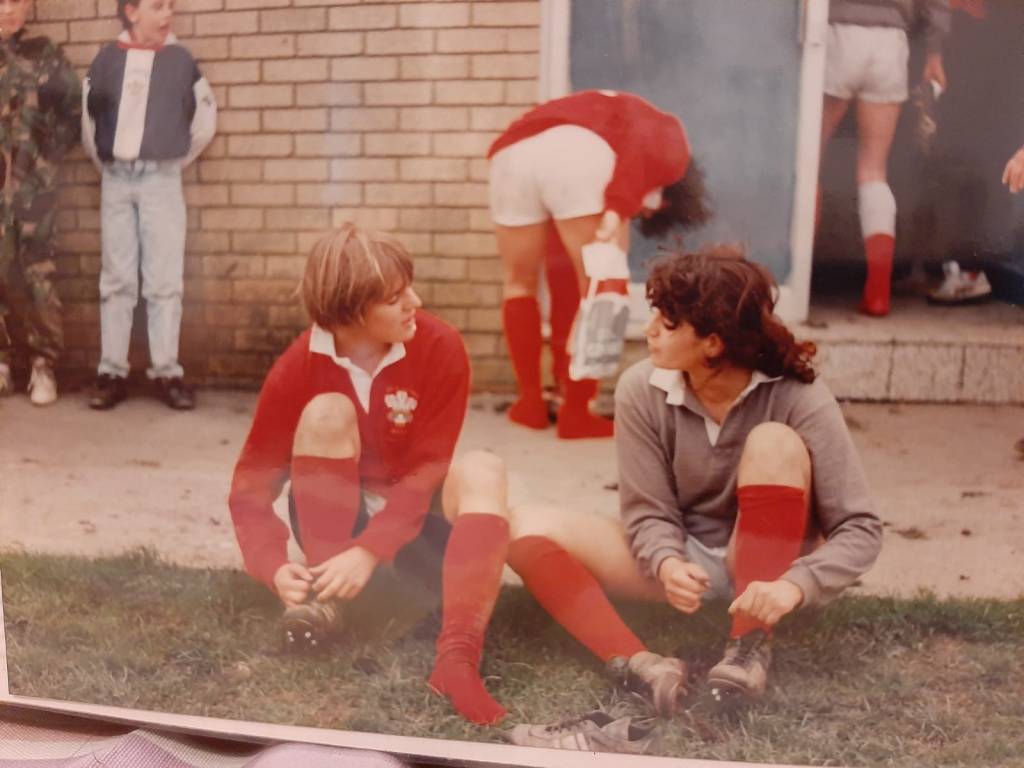
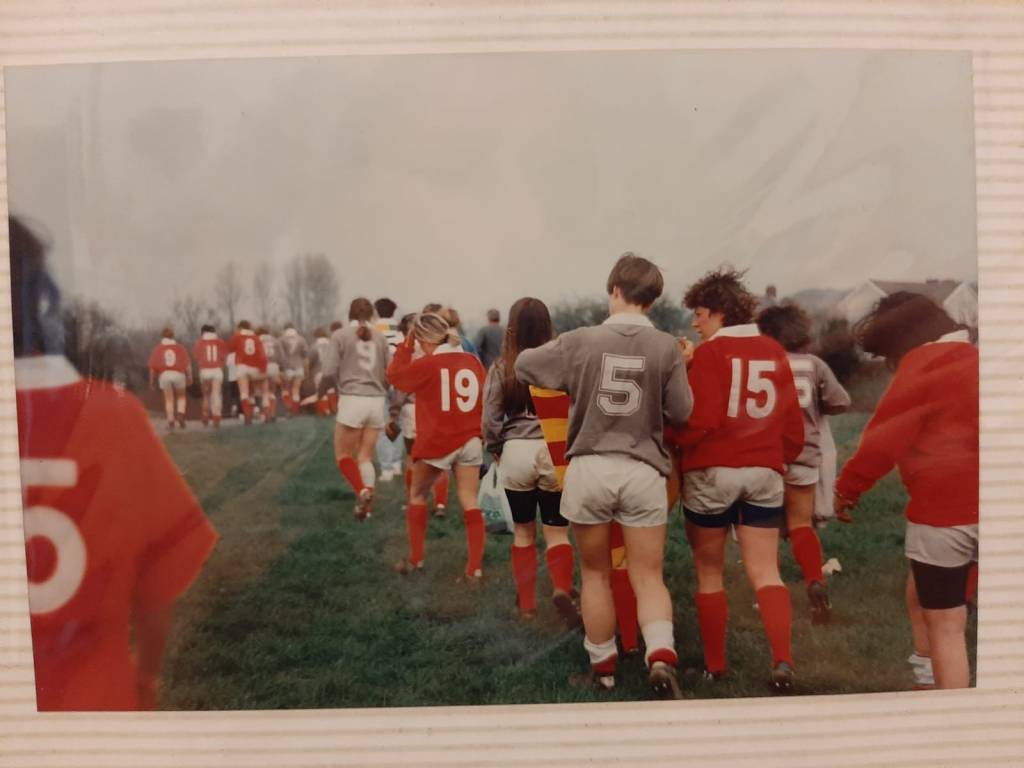
The early days of women’s rugby in Spain are poorly documented, even by women’s rugby standards. What we do know is that women’s rugby took root in Spain during the 1970s, with hubs in Madrid and Barcelona5, primarily at universities6. Las Leonas played their first international match in 1989, a 28-0 loss to France, and a prolific Catalonia representative team had beaten a Welsh XV 4-0 in 1990, followed by a tour of Wales in 19927. Spain were invited to the first-ever World Cup in 1991, and managed to come sixth despite having only played one official test match beforehand. They were unable to defend their placement three years later as the team lacked sufficient funding to attend the competition and had to withdraw at the last minute8. Despite missing the 1994 World Cup, Las Leonas had a reputation as one of Europes best sides. Between 1995 and 1999, the team had won the FIRA Women’s European Championship once and had been the runners-up twice910. Between the FIRA Championships and the high proportion of European countries in the World Cup in 1991 and 1998, Spain had faced off against their European neighbours frequently and, before entering the Five Nations tournament, they had beaten all of the Home Nations and France at least once11.
Whilst newly promoted teams often struggle adapting to their new competition, Spain managed wins over Scotland and Wales, leading them to a third-place finish in 200012. Interestingly, both of Spain’s wins that year were home games. In 2001, Las Leonas came joint second with a 6-0 win over France at home and a 5-0 win over Wales away13. 2002 saw two significant events in women’s rugby. Firstly, Ireland rejoined the Nations Championship, creating the first ever Women’s Six Nations. Secondly, Spain hosted the 2002 Women’s Rugby World Cup in Barcelona. Then captain Mercedes Batidor was realistic about the hosts’ chances in the competition following on from a disappointing Six Nations campaign, where the team had been nilled by France and beaten by both England and Scotland again14.
‘The World Cup is a pinnacle of a player’s career and I am sure Spain will do well in front of its own public. I think finishing between fifth and seventh in the world would be a good result for us, but it will be tough work because the other teams have made great progress, we will go match by match.’
Mercedes Batidor, 2002 Spain Captain15
Ultimately, Las Leonas finished eighth after defeats to England in the pool stage and Scotland and the USA in the rankings finals1617. On a positive note, however, Spain recorded a 62-0 win over Japan at the tournament, the then record win for the team18. The tournament was not a great experience for players, as teams were scattered in hotels across Barcelona19, but it was relatively successful with fans, as 8000 people turned up to watch a predictable final of New Zealand v England20.
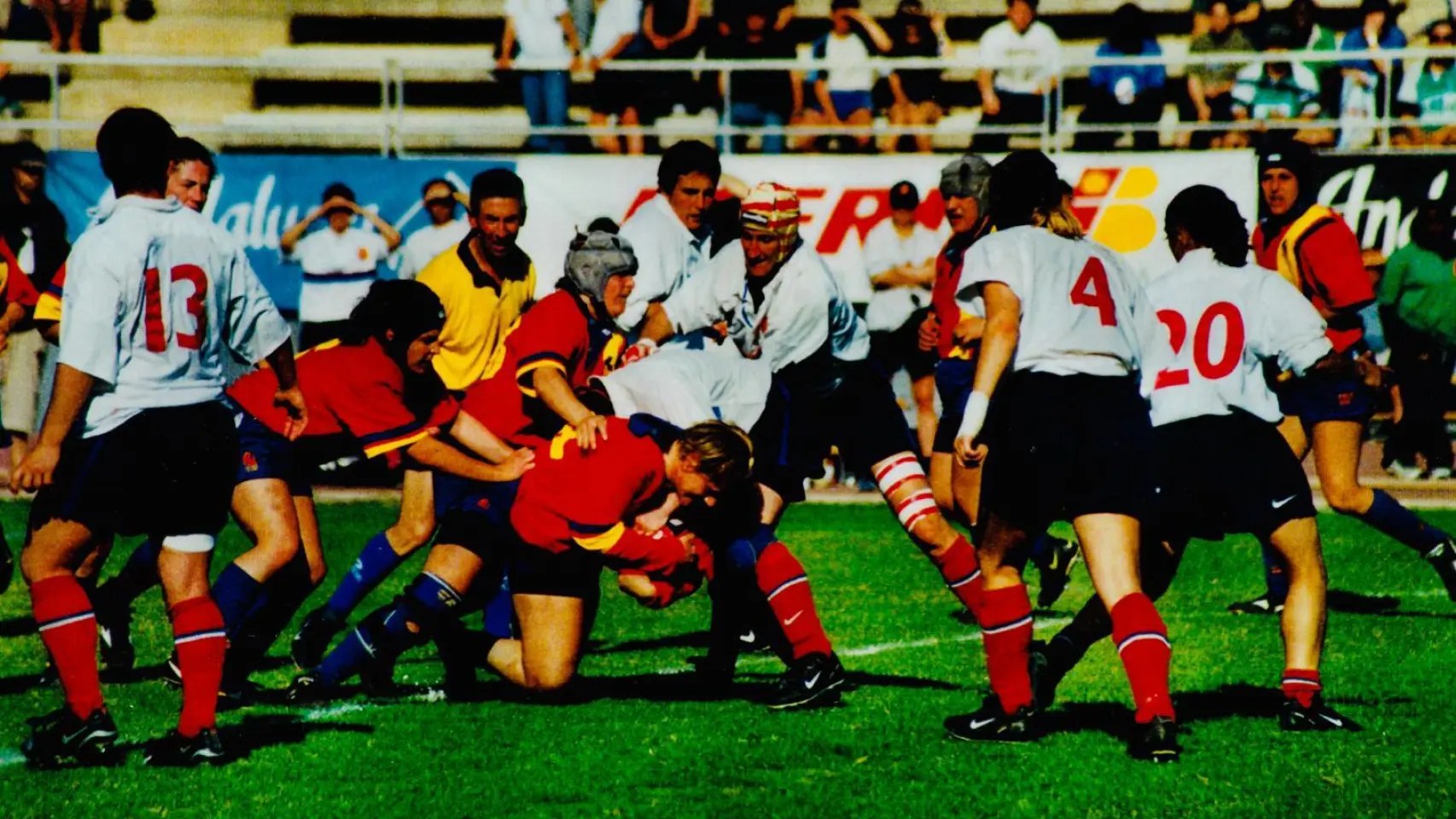
The following World Cup cycle would be a mixed bag for Spain, culminating in their removal from the Six Nations through no fault of their own. After being white-washed in the 2003 Six Nations21, Las Leonas bounced back by winning the 2003 FIRA Women’s European Championship, beating France 16-10 in the final22. Their form continued into 2004, losing only to France and England23 in the Six Nations.
Going into the 2006 Six Nations, Spain would’ve aimed to beat Scotland to be considered ‘the best of the rest’ after falling to them in 200524. However, before the competition, it became known to the unions that discussions were underway to incorporate the Women’s Six Nations within the Men’s Six Nations organisation25. Before this, the competition had been run independently by the unions themselves. The sticking point, however, was that the men’s competition included the Home Nations, France, and Italy. It became clear that moving forward with the plan would mean that Spain would be replaced by Italy in the women’s competition despite their historically strong record. It is not known whether Las Leonas purposefully sabotaged their matches during the 2006 Six Nations or if their morale was affected by their upcoming expulsion from the competition, but Spain did put up a poor performance. Whitewashed for the second time, the team did actually score more points and conceded fewer points than they did during the 2003 Six Nations2627. However, their poor performance was definitely at odds with their recent form, and the competition was not good preparation for the 2006 Women’s Rugby World Cup either, where they finished ninth.
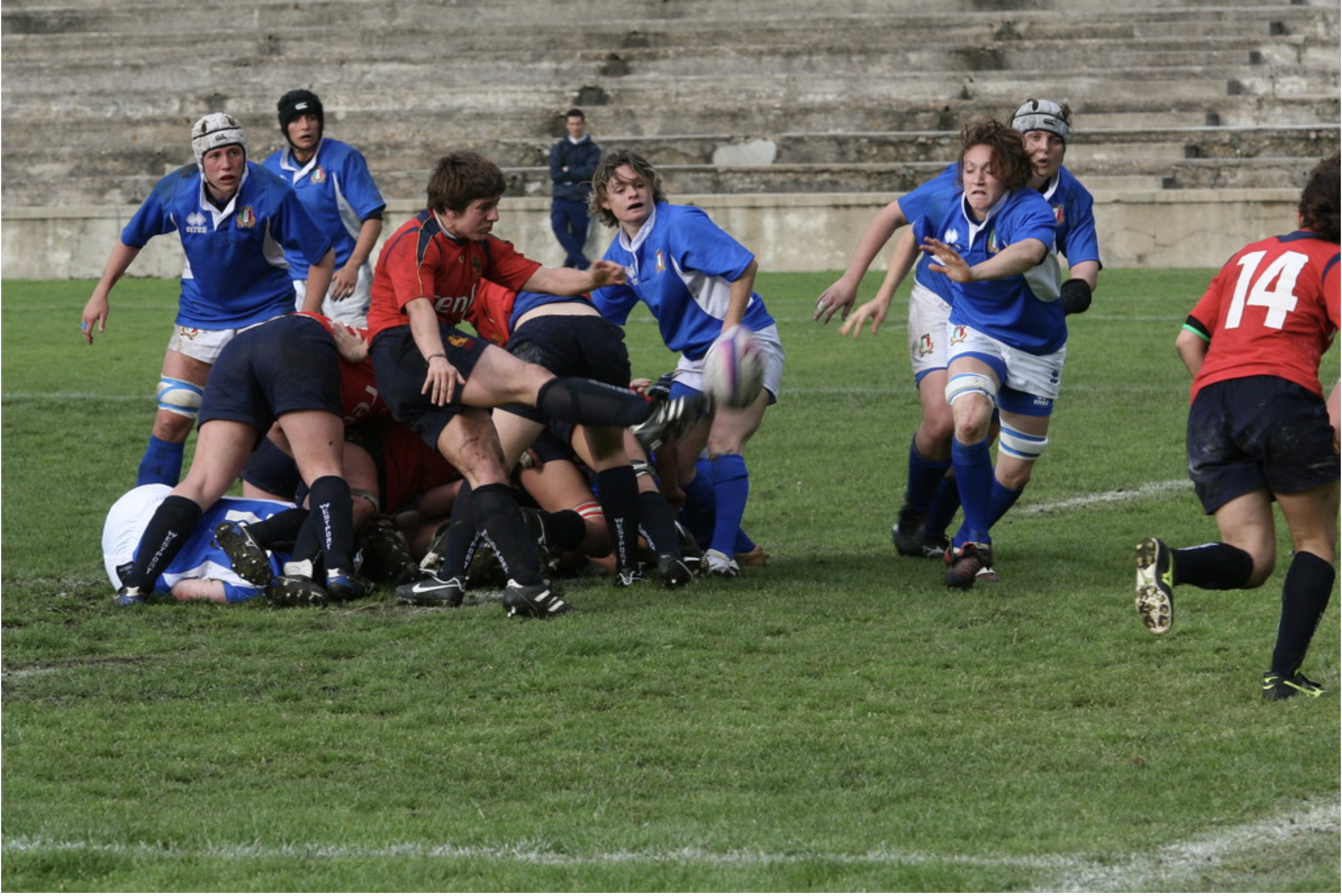
The removal of Spain was extremely controversial, and is something which is still discussed with ire by many within the women’s rugby community. Whilst the centralisation of the Six Nations has allowed for additional funding for the competition28 as well as improved streaming availability29, the decision to remove Spain was not in the best interest of the women’s game. Scrum Queens founder Ali Donnelly wrote that when merging women’s unions with their male counterparts ‘the women’s game would cease to be run by those who understood it inside out’30, a statement which feels accurate when describing the 2007 takeover.
In the nineteen years since their expulsion from the Six Nations, Las Leonas have produced a series of inconsistent results31 with an irregular pattern of development. In the immediate years following the 2006 World Cup, Spain suffered from a lack of game time. Those within the Six Nations still often entered the FIRA Women’s European Championship, and they often dominated due to their higher level of game and training time in comparison to non-Six Nations teams. They also suffered financially, as in 2014 Real Federación Española de Rugby went through a bankruptcy32. This resulted in Spain withdrawing from the newly reformatted and rebranded Rugby Europe Women’s Championship in 201533.
2016 saw a significant change in the Las Leonas camp. Not only did it start their eight-year reign as Rugby Europe Champions34, but it saw them take on a wider range of competition, taking wins over former Six Nations rivals Wales, Scotland, and Ireland, and record an unbeaten season in 2018/19. In the post-Covid era, Spain have struggled against top sides, with their only win against a top side being an 8-7 win over Ireland at the 2021 World Cup Qualifiers35. The addition of WXV to the rugby calendar has benefited Spain immeasurably. After a 15-13 loss to Ireland in the 2023 edition of WXV3 led to a second-place finish, Spain went on to lift the WXV3 trophy the following year, conceding only 8 points in the process36 and qualifying for the 2025 Rugby World Cup.
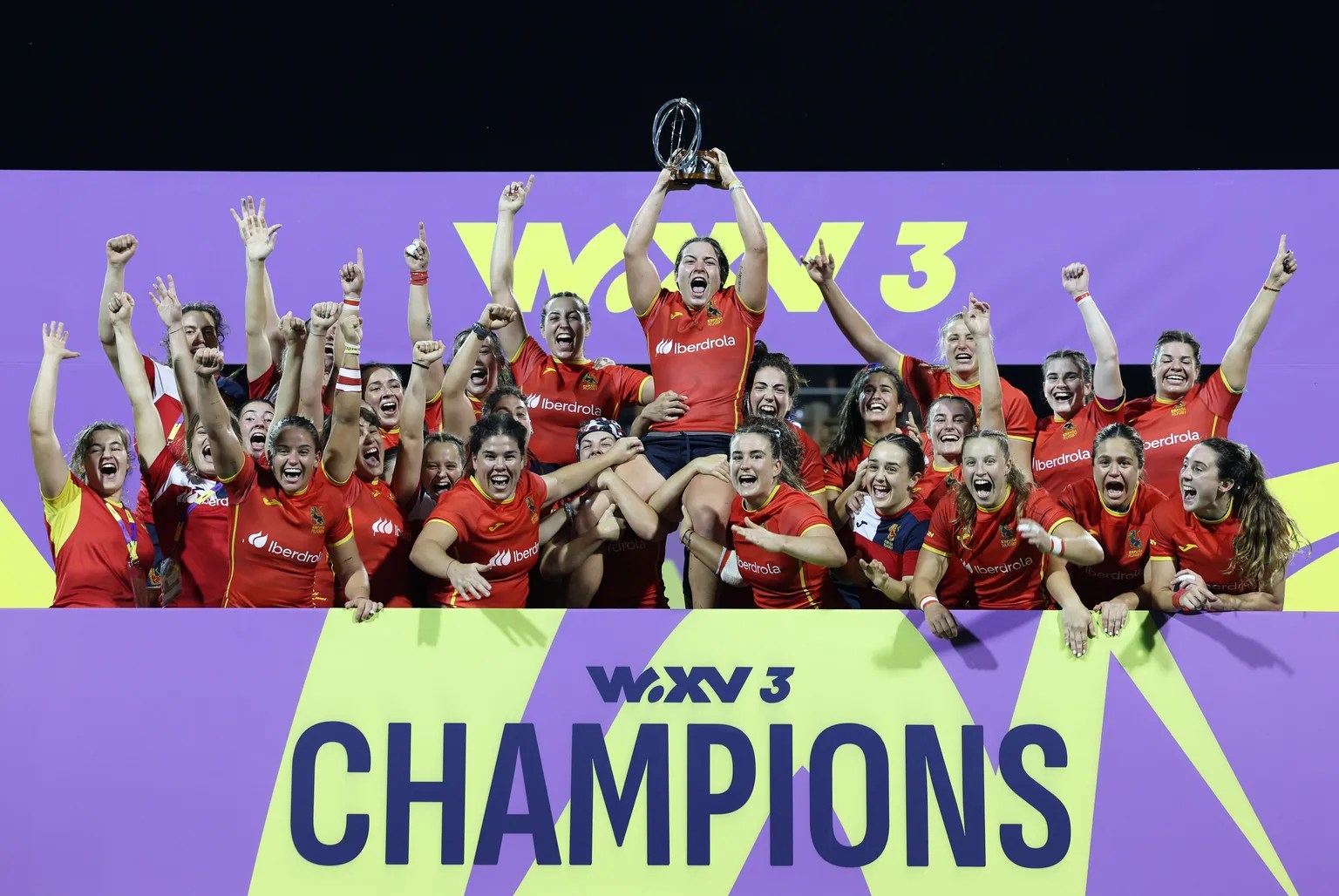
Leading into the 2025 World Cup, 32 Las Leonas players have been given six-month grants to cover their living expenses and allow the players to concentrate entirely on rugby in preparation for their return to the competition.
‘We are happy with the decision, and it is a step further towards a more promising future for all of us. There’s still a long way ahead for us to get to that fully professional level and I do hope we can get there. It will be important to not lose focus, especially after the Women’s World Cup.’
-Laura Delgado, Spain Captain37
Delgado is one of the handful of Spanish players who ply their trade outside of Spain, with those players split equally across the French Elité 1 and English PWR. Delgado herself has become somewhat of a cult figure with PWR fans, having played for DMP Sharks, Exeter Chiefs, Gloucester-Hartpury, and, most recently, Harlequins. Whilst Delgado is expected to retire from international rugby following the World Cup, she has recently renewed her contract with Harlequins38, where she plays alongside Spanish teammate and up-and-coming superstar, Clàudia Peña.
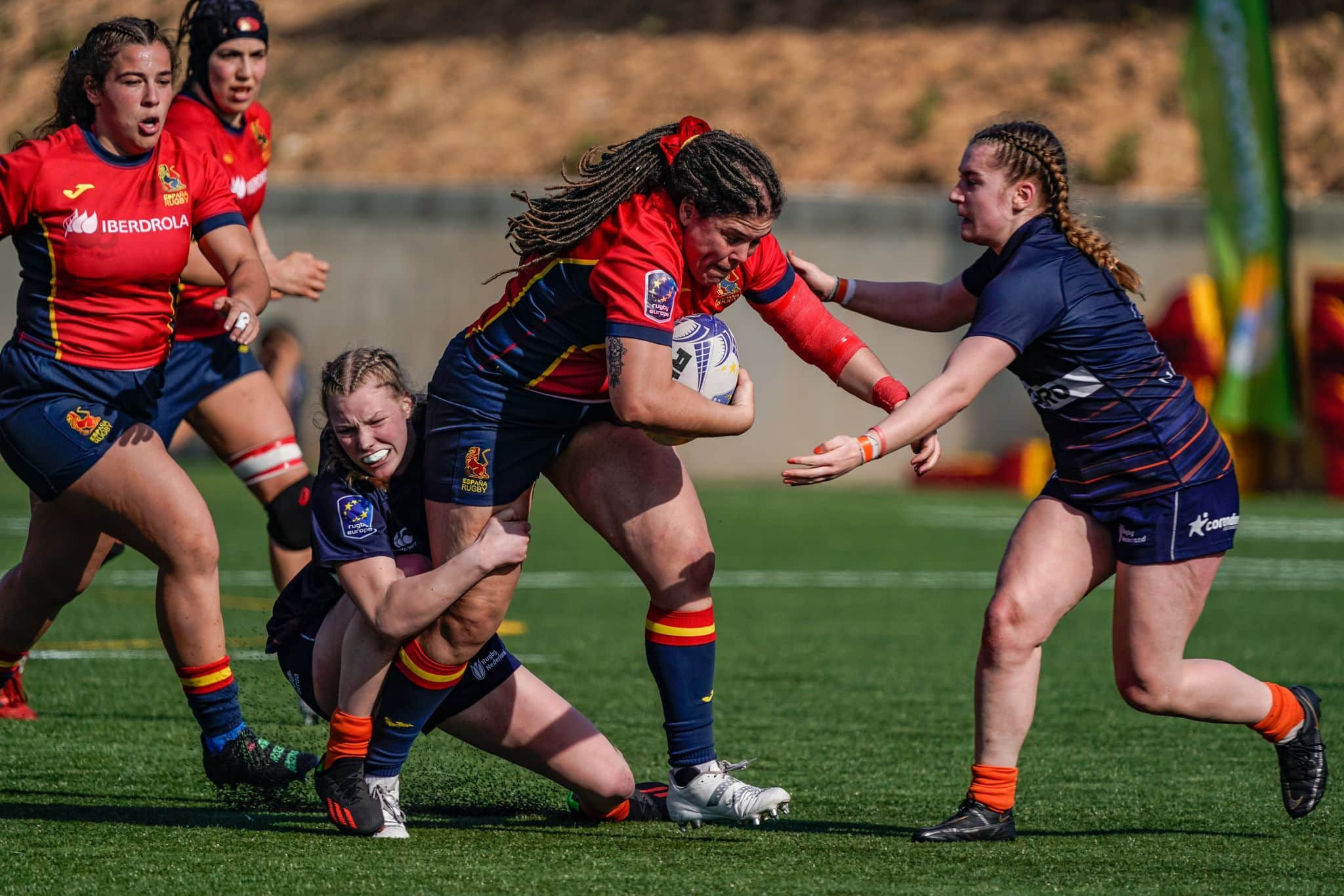
It is clear that the expulsion of Spain from the Women’s Six Nations harmed the programme, but it is also unlikely that the team will be readmitted unless there are additional teams added to the men’s competition. With an expanded XV’s calendar thanks to tournaments such as WXV, an increasingly more competitive Rugby Europe, and increasing professionalisation within Spain, Las Leonas have a path to the top of the World stage despite not sitting at Europe’s top table.
I hope you have enjoyed the third edition of The Rugby History Project. References and notations can be found below. I am currently aiming for three posts per month, which allows me to dig a bit deeper on harder to research topics like this one- you won’t believe how tricky it is to find information and images related to Las Leonas!
-Hattie
Thanks for reading The Rugby History Project! Subscribe for free to receive new posts, or consider upgrading to Historian Tier to support the project!
- The Men’s Nations series was known as the Five Nations during the 1990s, becoming the Six Nations in 2000. ↩︎
- Ali Donnelly, Scrum Queens (Chichester: Pitch Publishing, 2020), pp. 103. ↩︎
- The Irish women’s national team were managed by the volunteer run Irish Women’s Rugby Football Union from 1992 to 2009, in 2009 the union was merged into the wider Irish Rugby Football Union. ↩︎
- London, “Spain Take Ireland’s Slot in 2000 Women’s Five Nations – ESPN,” ESPN.Com, October 27, 1999 <https://www.espn.co.uk/rugby/story/_/id/15343048/spain-take-ireland-slot-2000-women-five-nations>. ↩︎
- Donnelly, Scrum Queens, pp. 69. ↩︎
- Carlos Castellar and Francisco Pradas, “Beginnings and Development of Rugby in Spain,” Fizicko Vaspitanje I Sport Kroz Vekove, 8.2 (2021), pp. 33-41, p. 38. ↩︎
- Rugby Feminino, “Rugby Femenino on X: ‘@ScrumQueens @WelshRugbyUnion @WaleswomenRugby Some of the Players That Went There. Mid April 1992. Wales 18 – 4 Catalunya. First Source (with the Result) Is from the Spanish Federation Https://T.Co/GFAL7ALK5Q’ / x,” X (Formerly Twitter), September 5, 2020 <https://x.com/Rugby_femenino/status/1302357630116134915>. ↩︎
- Donnelly, Scrum Queens, pp. 82. ↩︎
- The FIRA Women’s European Championship (later known as the Rugby Europe Women’s Championship) was not held in 1998 due to the Women’s Rugby World Cup. Las Leonas also came third in 1997. ↩︎
- “Rugby Europe Women’s Championship,” The Rugby Archive <http://www.rugbyarchive.net/compsoverview/3005>. ↩︎
- Wikipedia contributors, “List of Spain Women’s National Rugby Union Team Matches,” Wikipedia, June 18, 2025 <https://en.wikipedia.org/wiki/List_of_Spain_women%27s_national_rugby_union_team_matches>. ↩︎
- “Women’s Five Nations 2000,” The Rugby Archive <http://www.rugbyarchive.net/compseasons/3007?Stagione=2000>. ↩︎
- “Women’s Five Nations 2001,” The Rugby Archive <http://www.rugbyarchive.net/compseasons/3007?Stagione=2001>. ↩︎
- “Women’s Six Nations 2002,” The Rugby Archive <http://www.rugbyarchive.net/compseasons/3007?Stagione=2002>. ↩︎
- Batidor in Donnelly, Scrum Queens, pp. 120. ↩︎
- “Women’s Rugby World Cup 2002,” The Rugby Archive <http://www.rugbyarchive.net/compseasons/3004?Stagione=2002>. ↩︎
- Prior to the 2021 (held in 2022) RWC, WRWC’s had a complex finals system which involved rankings finals similar to the finals system used in SVNS. ↩︎
- “Women’s Rugby World Cup 2002,” Rugby World Cup <https://www.rugbyworldcup.com/2025/en/past-tournaments/2002>. ↩︎
- Donnelly, Scrum Queens, pp. 120. ↩︎
- World Rugby Museum, “The Rugby World Cup: In Her Own Words – 2002,” World Rugby Museum, September 28, 2022 <https://worldrugbymuseum.com/from-the-vaults/womens-rugby/the-rugby-world-cup-in-her-own-words-2002>. ↩︎
- “Women’s Six Nations 2003,” The Rugby Archive <http://www.rugbyarchive.net/compseasons/3007?Stagione=2003>. ↩︎
- “Rugby Europe Women’s Championship 2003,” The Rugby Archive <http://www.rugbyarchive.net/compseasons/3005?Stagione=2003>. ↩︎
- “Women’s Six Nations 2004,” The Rugby Archive <http://www.rugbyarchive.net/compseasons/3007?Stagione=2004>. ↩︎
- “Women’s Six Nations 2005,” The Rugby Archive <http://www.rugbyarchive.net/compseasons/3007?Stagione=2005>. ↩︎
- Donnelly, Scrum Queens, pp. 136. ↩︎
- “Women’s Six Nations 2006,” The Rugby Archive <http://www.rugbyarchive.net/compseasons/3007?Stagione=2006>. ↩︎
- In 2003, Spain scored only 14 points and conceded 204 for a points difference of -190. In 2006, they scored 25 and conceded 175 for a points difference of -150. ↩︎
- Somewhat. ↩︎
- It’s easy to improve on zero; however, it has taken a while. ↩︎
- Donnelly, Scrum Queens, pp. 150. ↩︎
- Wikipedia contributors, “List of Spain Women’s National Rugby Union Team Matches.” ↩︎
- Francisco Isaac, “Is Spain Rugby’s next Great Superpower?,” Rugbypass, April 16, 2025 <https://www.rugbypass.com/plus/is-spain-rugbys-next-great-superpower/>. ↩︎
- Spain also missed the 2014 edition of the competition, however this was due to their participation in the Rugby World Cup. ↩︎
- Francisco Isaac, “Women’s REC Analysis: Spain Remain Top of the Food Chain,” Rugbypass, April 21, 2025 <https://www.rugbypass.com/news/spain-remain-top-of-the-rugby-europe-food-chain/>. ↩︎
- Neither Ireland nor Spain qualified for the 2021 (played in 2022) RWC. ↩︎
- Wikipedia contributors, “List of Spain Women’s National Rugby Union Team Matches.” ↩︎
- Francisco Isaac, “Spain Boosted by a Six-Month Grants Ahead of RWC 2025,” Rugbypass, March 12, 2025 <https://www.rugbypass.com/news/spain-boosted-by-a-six-month-grant-ahead-of-rwc-2025/>. ↩︎
- arlequins Women, “🇪🇸 @bimba_lauradelgado’s Back for More next Season! 📦 Delivered by @dhlrugbyuk #COYQ,” Instagram, April 28, 2025 https://www.instagram.com/p/DI_bw7Uvl6P ↩︎
 Home
Home 
Leave a comment